

Tongue- and Lip-Tie Consultations & Releases
(For children and adults — we do not see infants)
Have you ever wondered if a tongue or lip restriction could be affecting your child’s speech, sleep, or jaw development?
A restricted tongue or lip can impact more than just movement — it can affect breathing, swallowing, speaking, posture, and even facial growth.
At Harvard Rd Dental Care, we provide comprehensive tongue- and lip-tie consultations and releases for children and adults. Our goal is to help restore proper oral function and guide natural growth and development — not just perform a simple release.
What Is a Tongue or Lip Tie?
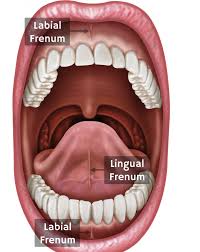
A tongue-tie occurs when the band of tissue (called the frenulum) beneath the tongue is too short, thick, or tight, restricting normal tongue movement.
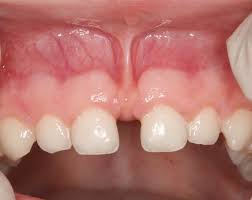
A lip-tie occurs when the tissue connecting the lip to the gum limits proper lip mobility or closure.
While many parents associate ties only with breastfeeding difficulties, research now shows that these restrictions can continue to affect speech, swallowing, oral posture, and airway development into childhood and adulthood.
Why Tongue and Lip Function Matters
The tongue plays a critical role in:
- Speech development – Proper mobility allows clear pronunciation of sounds like “t,” “d,” “l,” and “r.”
- Swallowing and chewing – Restricted movement can lead to inefficient swallowing or choking on food.
- Breathing and airway growth – A low or restricted tongue posture can contribute to mouth breathing and altered facial growth.
- Dental and orthodontic development – The tongue helps guide jaw growth and tooth position. Without proper function, crowding, open bites, and crossbites can develop.
- Sleep quality – Tongue restrictions are often linked to snoring and sleep-disordered breathing.
By identifying and addressing these functional limitations early, we can improve long-term oral health, airway development, and overall well-being.
Who Should Be Evaluated?
We commonly see:
- Children (ages 2 and up) with speech delays, picky eating, mouth breathing, or poor sleep.
- Teens and adults with tension in the jaw or neck, clenching/grinding, or chronic headaches.
- Patients with persistent orthodontic relapse or difficulty maintaining tongue posture during myofunctional therapy.
(Note: We do not provide tongue- or lip-tie releases for infants or children who may benefit from sedation; however we are happy to refer you to trusted providers who doJ)
What to Expect During a Tongue-Tie Consultation
Your visit includes:
- A functional assessment of the tongue, lips, and oral posture.
- Myofunctional screening to assess tongue rest position, swallow pattern, and breathing.
- Photographs and measurements to document range of motion and tissue attachment.
- Discussion of symptoms and goals — from improved speech to better sleep and jaw comfort.
- Coordination with a myofunctional therapy to ensure optimal pre- and post-release outcomes.
Our approach is comprehensive, evidence-based, and personalized. We aim to address the why behind the restriction, not just the what.
The Procedure: Gentle, Precise, and Effective
When a release is indicated, we use a state-of-the-art CO₂ laser (LightScalpel) for precise and gentle treatment.
This advanced technology offers:
- Minimal discomfort
- Little to no bleeding
- Faster healing
- Reduced risk of scar tissue
Dr. Hendricks has received advanced training under Dr. Soroush Zaghi at The Breathe Institute in Los Angeles, California, one of the leading authorities on functional frenuloplasty and airway-centred dentistry.
We perform the procedure using local anesthetic only — no sedation.
If sedation is needed for comfort or behavioural reasons, we’ll refer your child to a trusted specialist who can provide that level of care safely.
Aftercare and Myofunctional Support
Successful outcomes depend on function, not just release.
We work closely with myofunctional therapists before and after the procedure to retrain proper muscle patterns.
These exercises help ensure the tongue and lips learn to move efficiently and maintain proper posture, preventing reattachment and maximizing long-term results.