

What Is the TMJ?
The temporomandibular joint (TMJ) connects your lower jaw to your skull — allowing you to talk, chew, yawn, and swallow.
When the joint or surrounding muscles become strained or imbalanced, it can lead to temporomandibular disorders (TMD).
These issues can cause pain not only in the jaw, but also in the head, neck, ears, and even posture.
Common Signs of TMJ or Clenching Problems
- Morning headaches or facial pain
- Soreness or stiffness in the jaw or neck
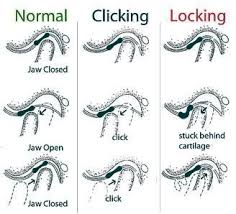
- Clicking, popping, or locking of the jaw
- Sensitive, worn, or chipped teeth
- Gum recession or teeth shifting
- Ear pressure or ringing (tinnitus)
- Disrupted sleep or frequent waking
Even if you don’t feel pain, your teeth may tell the story — showing visible signs of grinding, such as flattening, small fractures, or enamel wear.

What We Look For: TMJ and Muscle Screening
Our screening process goes beyond a quick visual exam.
We perform a comprehensive TMJ assessment that includes:
- Muscle palpation: Gently feeling the jaw, neck, and facial muscles to identify tenderness or tension.
- Bite analysis: Checking how your teeth come together to see if bite imbalance may be triggering clenching.
- Photographs and wear assessment: We take detailed photos to show you areas of wear, cracks, or uneven bite patterns.
- Jaw tracking and range of motion testing (if indicated): Evaluating how smoothly the jaw moves when opening and closing.
- Airway and posture review: Since airway restrictions and mouth breathing can contribute to muscle tension, we assess these factors as part of your overall oral health.
Why Does Clenching or Grinding Happen?
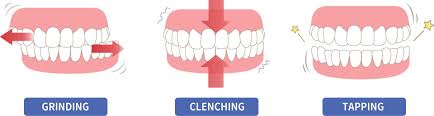
Research shows that tooth grinding (bruxism) and TMJ pain can have multiple causes — often involving more than just stress.
Some common contributing factors include:
- Airway and sleep issues (like snoring or sleep apnea)
- Bite imbalances or misaligned teeth
- Myofunctional habits (mouth breathing, tongue posture issues)
- Stress and anxiety
- Neck or posture misalignment
Our goal is to identify the root cause — not just treat the symptoms.

Treatment Options
Every patient’s situation is unique, so treatment is customized based on your symptoms, bite, and muscle findings.
Solutions may include:
🦷 Custom Night Guards (Occlusal Appliances)
A carefully designed night guard helps:
- Reduce pressure on the teeth and joints
- Relax overactive jaw muscles
- Prevent further tooth wear and fractures
- Protect dental work such as fillings and crowns
Our appliances are custom-fitted for comfort and effectiveness.
💪 Jaw Stabilization & Myofunctional Therapy
In some cases, we incorporate jaw stabilization exercises and myofunctional therapy to retrain muscle balance.
These exercises help the jaw and tongue rest in a healthy position, reducing tension and improving function long-term.
😴 Airway and Orthodontic Evaluation
If your symptoms are related to airway obstruction or bite issues, we may recommend an airway evaluation or orthodontic consultation.
Addressing the underlying cause can dramatically improve both sleep and jaw health.
Why Early Screening Matters
TMJ disorders often develop slowly — but they don’t have to progress.
By identifying subtle signs early (like muscle tightness or minor tooth wear), we can intervene before permanent damage occurs.
Regular TMJ screenings help us:
- Prevent cracked or fractured teeth
- Protect bone and gum health
- Improve jaw comfort and function
- Support better sleep and posture