
Snoring & Sleep Apnea Appliance Therapy
Better Sleep, Better Health
Quality sleep is one of the most important pillars of health — just as vital as nutrition and exercise. Yet, sleep issues such as snoring and sleep apnea are becoming increasingly common in both adults and children. While common, they are not normal and can have a serious impact on your long-term health, energy, and overall well-being.
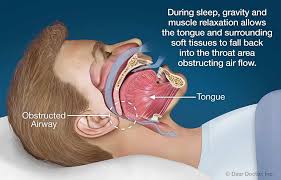
Sleep-disordered breathing (SDB) includes a spectrum of conditions ranging from mild snoring to obstructive sleep apnea (OSA) — where breathing repeatedly stops during sleep due to airway collapse or restriction. This disrupts oxygen flow, prevents deep restorative sleep, and strains the heart and brain over time.
For Adults: Screening, Diagnosis & Treatment
If you snore, wake up tired, or feel exhausted even after a full night’s sleep, it’s worth looking deeper. At Harvard Rd Dental Care, we use a Sleep and Airway Questionnaire to screen for symptoms that may indicate a sleep-breathing disorder.
Common symptoms in adults include:
- Loud snoring or gasping during sleep
- Waking up with a dry mouth or sore throat
- Morning headaches
- Daytime fatigue or “brain fog”
- Clenching and grinding (bruxism)
- Restless or light sleep
- Difficulty concentrating or irritability
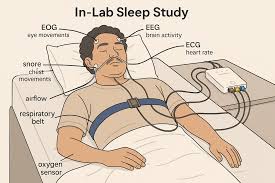
When screening suggests possible sleep apnea, we recommend a sleep study (polysomnography) — either at-home or in a sleep lab — to confirm the diagnosis and determine the severity:
- Mild sleep apnea: 5–15 breathing interruptions per hour
- Moderate sleep apnea: 15–30 interruptions per hour
- Severe sleep apnea: 30+ interruptions per hour
Treatment Options
The medical gold standard for treating moderate to severe sleep apnea is Continuous Positive Airway Pressure (CPAP) therapy, which delivers airflow through a nasal or oral mask to keep the airway open during sleep.
However, for patients with mild to moderate sleep apnea — or those who cannot tolerate CPAP — a custom oral sleep appliance can be an effective and more comfortable alternative.
These mandibular advancement devices (MADs) gently reposition the lower jaw and tongue forward, increasing airway space and preventing airway collapse during sleep.
Supporting the Airway — Treating the Root Cause
At Harvard Rd Dental Care, we focus not just on managing symptoms but on addressing the root causes of airway dysfunction.
That’s why we often combine appliance therapy with:
- Nasal breathing re-education to encourage optimal airflow
- Myofunctional therapy to strengthen the tongue and orofacial muscles
- Postural and airway evaluations to ensure long-term stability
By retraining oral and airway muscles and optimizing tongue posture, we can often enhance the effectiveness of oral appliances and promote long-term improvements in breathing and sleep quality.
For Children: Early Detection & Airway Development
Children who snore or experience restless sleep should always be evaluated early.
Snoring in children is never normal and may indicate airway obstruction, sleep-disordered breathing, or pediatric sleep apnea.
We recommend:
- A pediatric sleep study to determine if apnea is present and assess its severity
- A tonsil and adenoid evaluation by an ENT specialist
- An airway evaluation and growth assessment as part of our Myofunctional Orthodontic program
Children with open-mouth breathing, grinding, frequent night wakings, or behavioral issues (such as irritability, hyperactivity, or poor focus) may be struggling with poor-quality sleep due to reduced oxygen flow.
Research shows that by age 12, up to 90% of facial growth is complete, meaning early intervention is key. Supporting nasal breathing, tongue posture, and jaw development early can prevent lifelong airway and sleep problems.
Common Questions
Will an oral appliance really help me stop snoring?
In many cases, yes. For mild to moderate snoring and sleep apnea, oral appliances are proven to reduce snoring frequency and improve sleep quality by opening the airway.
Is it comfortable?
Our appliances are custom-made using digital scans for a precise fit. Most patients adapt within a few nights and find them far more comfortable and convenient than CPAP.
Do I need a sleep study first?
Yes — diagnosis through a medical sleep study is essential before appliance therapy. We work collaboratively with your physician or sleep specialist to ensure you receive safe, coordinated care.
Can my child “grow out of” snoring?
No. Persistent snoring in children usually signals an airway concern that should be assessed. Early evaluation allows us to guide growth, improve breathing, and support better sleep and behavior.