Common Symptoms & What They Mean
At Harvard Rd Dental, we know that every symptom tells a story. Instead of just masking problems, we look for the why behind your concerns — and create a treatment plan that supports long-lasting health.
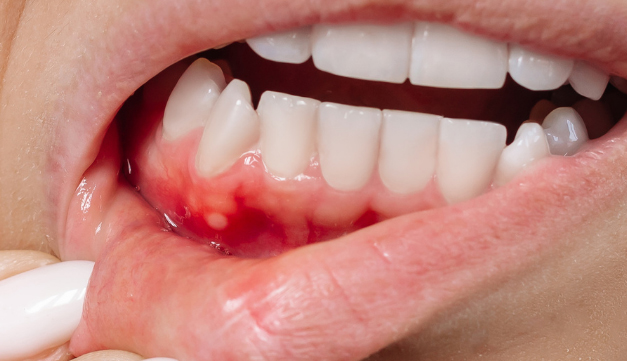
Inflamed Bleeding Gums
Possible Causes
Gingivitis (early gum disease), plaque buildup, improper brushing/flossing, or underlying systemic inflammation.
Treatment Options
Professional dental cleaning, personalized hygiene education, and gum therapy to restore gum health.
You can’t be healthy without having a healthy mouth. Your oral health will determine the health of the rest of your body.
Importance of Flossing (that have nothing to do with teeth) – reduces inflammation and C-Reactive Protein, Boosts immune system, Reduces risk of heart disease, reduces risk of dementia, boosts fertility.
Sensitive Teeth

Possible Causes
Worn enamel, gum recession, tooth decay, grinding/clenching, or dietary acids.
Sensitivity can be attributed to many causes. Grinding your teeth causes recession. Why do we grind our teeth – often due to a jaw that isn’t developed optimally and trying to open our airway. Why is our airway not optimally developed – mouth breathing. Mouth breathing also due to a nervous system that is in sympathetic mode and in overdrive so survival need to open airway to breathe.
Diet can also cause sensitivity – especially what we are drinking. Acidic drinks that we sip on all day. Eg. coffee, pop, prime are soaking your teeth in an acidic environment and causing sensitivity.
Treatment Options
Desensitizing treatments, fillings, night guards, nasal breathing re-education, and lifestyle guidance.
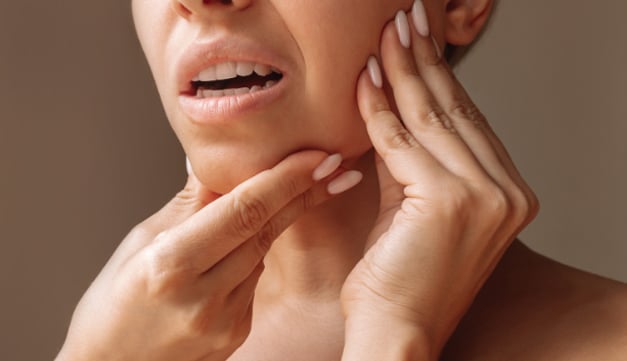
Sore Facial Muscles, Jaw Pain and Headaches
Possible Causes
Teeth grinding (bruxism), misaligned bite, TMJ disorder, or airway-related clenching at night.
Treatment Options
TMJ therapy and night guards, airway evaluation, and in some cases orthodontics to correct bite imbalance.
Jaw stabilization exercises are often also recommended to help stretch and soothe those sore muscles. Then we go into treating the source of pain.
Restless Sleep

Possible Causes
Obstructed airway, sleep-disordered breathing, clenching/grinding, or undiagnosed sleep apnea.
Treatment Options
Airway evaluation- checking if there are visible obstructions such as enlarged tonsils, sleep apnea appliances, myofunctional therapy, and orthodontic expansion in children.
Airway Dentistry
Sleep Solutions
Snoring or Mouth Breathing at Night

Possible Causes
Narrow airway, enlarged tonsils/adenoids, tongue-tie, or misaligned jaw.
Treatment Options
Sleep apnea appliances, myofunctional orthodontics, tongue-tie release, and collaboration with medical providers when needed.
Snoring at any age is a RED Flag and should be taken seriously. Sound sleep with lips together and nasal breathing ensures proper oxygenation to the body and growth.
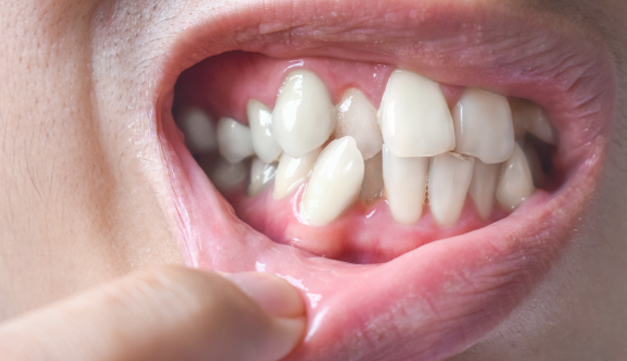
Crowded or Misaligned Teeth
Possible Causes
Jaw underdevelopment, early mouth breathing, lack of spacing in baby teeth, or genetics.
Adult teeth are 30-50% larger than baby teeth. If your child’s jaw hasn’t grown enough, there will be no extra space for the bigger teeth to fit. When baby teeth sit tight together, it’s a sign their jaw is already too narrow, so the new teeth will be crowded and overlap as they erupt.
Ideally, your child’s baby teeth should have spaces, this shows that their jaw is wide enough for the incoming larger adult teeth to come in.
Treatment Options
Myofunctional orthodontics to guide growth and make space for tongue function for children, expanders for severe crowding, Invisalign or braces for teens/adults. Breathing re-education using Buteyko Breathing Methods.
Orthodontics
Invisalign
Children’s Dentistry
Underdeveloped Jaw

Possible Causes
Mouth breathing, Low tongue rest posture, Improper swallow.
Treatment Options
- Guide proper jaw alignment by creating space needed for the tongue to function correctly and teeth to come in naturally with Myofunctional orthodontics
- Widen the palate to open the nasal airway and support healthy breathing during the day and night.
- 90% of jaw development is done by age 12. That’s why it’s vital to intercept early as your child is growing if you see signs of mouth breathing, sleep issues and crowded teeth.
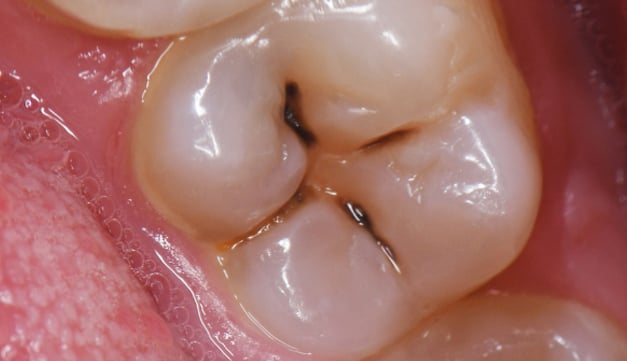
Frequent Cavities or Soft Enamel
Possible Causes
Weak enamel, high sugar/acid diet, dry mouth, or oral bacteria imbalance.
Treatment Options
Preventative resins, oral hygiene counseling, nutritional counseling, and cavity repair with fillings or crowns when needed.
Pro-Tip! Use xylitol gum between meals for cavity prone kids and adults. Xylitol tricks cavity causing bacteria into starving itself.
It’s not just what you eat. It’s what you drink and how you drink it!
Sugar isn’t the only thing that causes cavities.
Here’s what to do instead:
- Drink water!
- Don’t sip over long periods
- Rinse with water after acidic drinks
- Wait 30min before brushing
- Prime might have electrolytes – but it’s can cause enamel erosion, cavities and yellow and sensitive teeth.
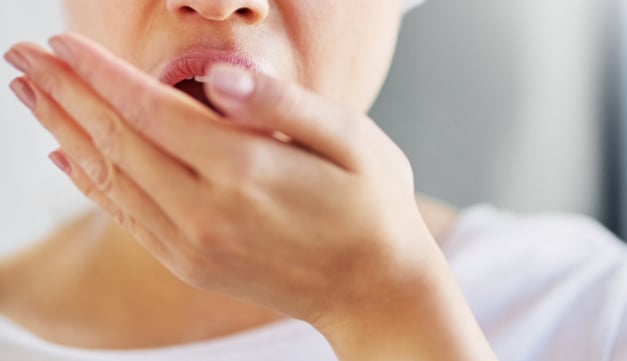
Bad Breath (Halitosis)
Possible Causes
Gum disease, trapped food debris, dry mouth, or airway-related mouth breathing.
Treatment Options
Professional cleaning, tongue hygiene education including flossing and tongue scraping, gum therapy, and airway assessment if chronic.
Hygiene & Preventive Dentistry
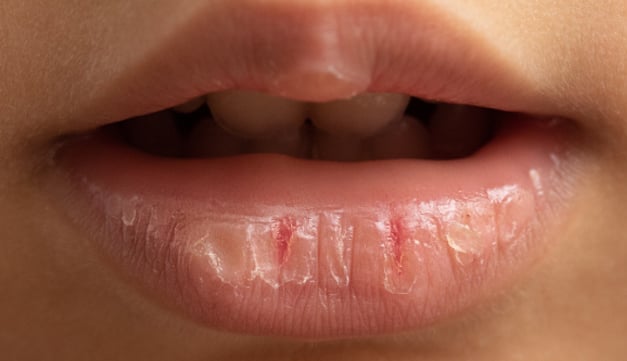
Dry Mouth
Possible Causes
- Medications – a very common side effect of blood pressure, antidepressants and allergy meds
- smoking, vaping, alcohol, caffeine
- mouth breathing – linked to allergies, nasal obstruction, sleep disordered breathing
- Systemic Conditions – cancer treatment, diabetes, thyroid issues, autoimmune disorders
- Stress and anxiety – reduced saliva production during fight or flight response
Treatment Options
- Prevention and protection with fluoride varnish, prescription strength tooth paste
- Stimulation strategies – xylitol gum or minds to encourage saliva flow
- Airway and breathing evaluation – to address mouth breathing and re-educate to nasal breathing
- Thorough exam and health review – to identify medications, lifestyle factors and conditions that may be the cause
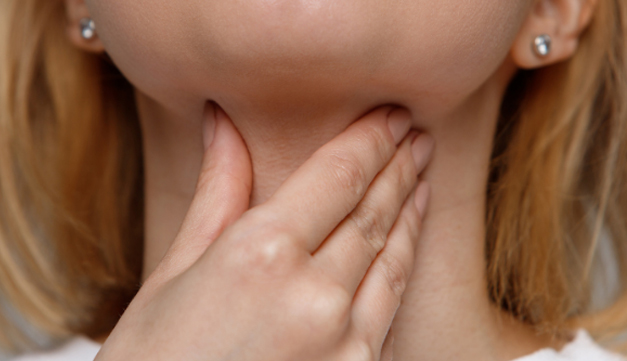
Difficulty Chewing or Swallowing
Possible Causes
Tongue-tie, jaw misalignment, or poor oral function.
Treatment Options
Tongue-tie release, myofunctional therapy, orthodontics if needed.
Tongue-Tie Services
Myofunctional Therapy